Air Vent Cleaning: Breathe More Easily With These Important Tips
Air duct maintenance plays an important role in maintaining a clean indoor environment. It removes dust, allergens, and pollutants that can compromise air quality. Knowing when ducts require attention is vital for optimum HVAC performance. Homeowners typically overlook the methods and equipment needed for effective cleaning. Learning about these elements can greatly impact energy efficiency and comfort. What steps should one take to guarantee cleaner air and a more efficient system?
How Air Duct Maintenance Improves Your Wellness
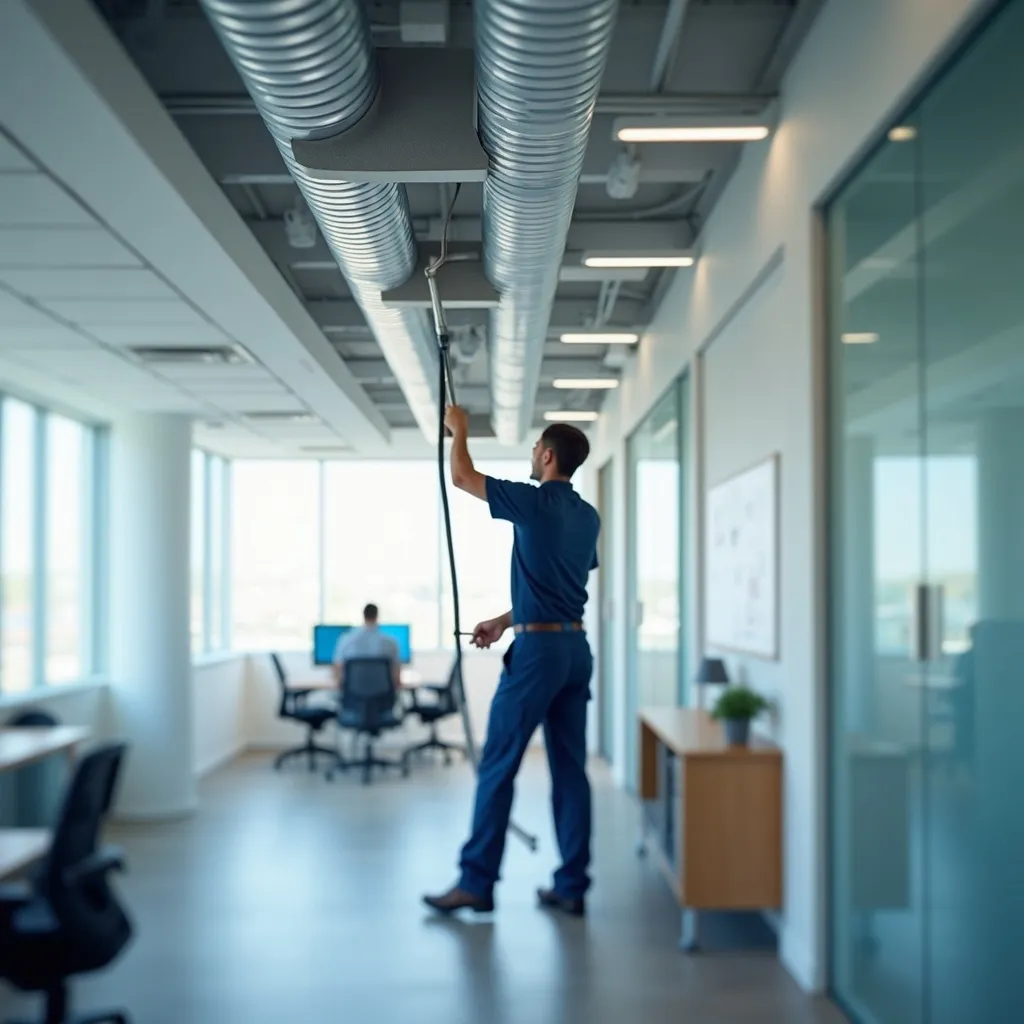
Air duct cleaning boosts air purity, leading to improved health for occupants. Over time, allergens, dust, and pollutants accumulate within the ductwork, circulating through the air. This increase can worsen health problems, allergies, and respiratory issues. By eliminating these contaminants, air duct cleaning reduces the likelihood of airborne illnesses and fosters a cleaner home atmosphere.
Moreover, clean air ducts can improve the performance of HVAC systems, leading to more stable temperatures and lower energy usage. This not only promotes overall coziness but also minimizes exposure to harmful substances that can be released when systems are inadequately serviced.
Consistent cleaning of air ducts guarantees that clean, fresh air circulates throughout the home, boosting better sleep, elevated energy levels, and overall well-being. Ultimately, maintaining clean air ducts is a vital step in protecting the health of all occupants.
Clues Your Ducts Require Cleaning?
Regular maintenance of air ducts is crucial for sustaining a healthy living environment. Homeowners should be vigilant for several indicators indicating that duct cleaning is needed.
One key sign is visible dust or debris around vents or the air filter, pointing to accumulated dirt within the ducts. Additionally, if occupants encounter increased allergic reactions, such as sneezing or congestion, it may signal that pollutants are circulating in the air.
Foul aromas coming from vents may also indicate fungal growth or stagnant debris. Additionally, if the HVAC system is performing poorly, demanding frequent repairs or producing inconsistent temperatures, dirty ducts could be the problem.
In conclusion, an increase in utility bills could demonstrate a obstructed unit unable to distribute air smoothly. Catching these signals can help promise scheduled cleaning and copyright superior indoor air quality.
DIY Air Duct Cleaning Equipment You Require
Preserving immaculate air ducts necessitates the appropriate tools to confirm proficient DIY cleaning. Essential tools for this process encompass a vacuum cleaner supplied with a HEPA filter, which captures small particles and allergenic materials.
A set of cleaning brushes, specially crafted for duct cleaning, helps remove dirt and particles from the duct walls. Additionally, a flashlight is essential essential resource for examining shadowy spaces in the ducts, guaranteeing complete cleanliness.
Protective equipment, such as gloves and a respirator, is essential to ensure safety while working with dust and potential contaminants. A set of screwdrivers is also required for taking off vent covers and access panels.
A damp cloth can finally be applied to clean vent surfaces once cleaning is done. Together, these implements make a comprehensive kit for anyone wanting to address air duct care effectively and safely.
Gather Required Tools
Assembling the proper tools is imperative for an efficient air duct cleaning process. A premium vacuum cleaner with a HEPA filter is necessary for removing dust and allergens.
A set of brushes, including a long-handled duct brush, helps dislodging debris from the duct walls. Adaptable duct cleaning rods can increase reach and enable access to hard-to-reach areas. Furthermore, having a flashlight allows for thorough inspection of the ducts' interiors.
Protective gear, such as gloves and masks, guarantees safety during cleaning. Finally, a step ladder may be required for reaching higher vents.
Organize Your Space for Use
A well-organized space is important for an effective air duct cleaning process. First, the area around vents should be cleared of furniture and obstructions to facilitate easy access. This helps avert any harm to belongings and confirms a complete cleaning.
Next, homeowners should cover supply vents with plastic sheeting to trap dust and debris during the process. It is also advisable to turn off the HVAC system to avoid spreading contaminants.
Finally, positioning a vacuum equipped with a HEPA filter nearby can help capture any particles loosened during cleaning. By implementing these steps, individuals establish an ideal environment that supports effective air duct cleaning and enhances overall results.
Thoroughly Clean Ducts
Prior to beginning the air duct cleaning process, it's critical for homeowners to know the progressive methodology that provides complete coverage and desired results.
To begin, you should obtain the necessary tools, such as a vacuum, brushes, and microfiber cloths. Then, disable the HVAC system to guarantee safety.
Then, remove the vent covers and clean them with warm soapy water. Using a vacuum cleaner, cautiously remove dust and debris from the ducts. For deeper cleaning, employ duct brushes to eliminate stubborn particles.
Once you finish tidying, reinstall the vent covers and change the air filter. Finally, turn the HVAC system back on and inspect for any unusual sounds.
Opting for a Experienced Air Duct Cleaning Service
How can one guarantee that they select a reputable air duct cleaning service? First, it is vital to research potential providers comprehensively. Examining for qualifications, such as those from the National Air Duct Cleaners Association (NADCA), guarantees clients of compliance to industry standards.
Next, obtaining multiple bids allows for a comparison of solutions and pricing. A reputable firm will perform a thorough inspection before offering an estimate, evading any misleading cheap proposals.
Moreover, inquire about the cleaning methods and equipment used; a reputable service will use state-of-the-art tools and techniques.
In conclusion, check the company has appropriate insurance and is registered, safeguarding clients from potential damages.
Methods to ensure spotless Air Ducts all Year
Keeping air ducts clean year-round is necessary for securing superior indoor air quality and system efficiency. Periodic inspections are important; house owners should check ducts for debris and dust accumulation every few months.
High-efficiency air filters markedly reduce contaminants, as these filters trap finer particles that conventional filters might overlook. It is prudent to change these filters every three months minimum or per maker suggestions.
In addition, minimizing air pollutants inside can facilitate maintaining duct cleanliness. This includes constraining dust-generating activities, such as smoke exposure or using certain candles, and verifying proper ventilation when applying cleaning products.
Routine upkeep of the home, including vacuuming and cleaning, helps minimize the amount of dust that could enter the ducts. Finally, booking a specialized cleaning service every few years can additionally ensure that air ducts stay clear of harmful buildup, promoting a healthier living environment.
Air Duct Upkeep: Financial Investment vs. Benefits
Assessing the financial implications of air duct cleaning provides key insights for homeowners. The initial outlay generally falls from $300 to $1,000, determined by factors like the size of the home and the sophistication of the duct system.
While this may seem significant, the potential benefits often exceed the costs. Air ducts that are cleaned can enhance indoor air quality, reducing allergens and irritants. This may lead to fewer respiratory issues and reduced healthcare costs over time.
Additionally, a clean air ducts can improve HVAC efficiency, potentially reducing energy bills by 10-30%. Homeowners should also evaluate the operational life of their HVAC systems.
Routine upkeep can increase the longevity of the equipment, minimizing the necessity for early substitutions. Ultimately, weighing the initial investment against extended health benefits and utility cost reduction can help homeowners reach smart choices about air duct servicing.
Frequently Requested Questions
How Routine Should My Air Duct Cleaning Be?
Specialists advise servicing your air ducts every 3 to 5 years. However, circumstances such as pets, allergies, or recent renovations may necessitate more frequent cleanings. Regular upkeep guarantees enhanced air quality and peak efficiency for optimal performance.
Is It Possible to Clean My Air Ducts Without Professional Help?
While you may be able to clean ducts without professional help, DIY methods may not accomplish complete cleaning. Proper tools and techniques are essential for quality duct cleaning, making professional support commonly a more reliable choice for superior air quality.
What Risks Come from Dirty Air Ducts?
Contaminated air ducts may cause poor indoor air quality, boosting allergens and pollutants. This can lead to respiratory issues, allergies, and overall discomfort. Additionally, built-up particles can reduce HVAC efficiency, increasing energy costs.
Do Air Duct Cleaning Services Offer Guarantees?
Many duct cleaning services do extend guarantees, ensuring patron satisfaction. These commitments often address the quality of work performed, furnishing reassurance that the service will fulfill particular benchmarks and tackle any concerns that surface after cleaning is complete.
Does Air Duct Cleaning Services Warrant the Financial Commitment?
Allocating funds to duct cleaning services can be valuable, as it enhances indoor air quality, optimizes HVAC performance, and possibly lengthens system operational life. Homeowners frequently report tangible benefits, making it a smart choice for many.